Glass Types for Building Construction: A Contractor's Selection Guide
Glass has become a major component in Singapore's construction landscape. For contractors selecting glazing materials, understanding the properties and appropriate applications of each glass type directly affects project safety, energy efficiency, and long-term performance. Proper material selection avoids callbacks and ensures the installation performs as intended.
Float Glass: The Starting Point
Float glass is produced by annealing molten glass to create a clear, flat sheet. Available in standard thicknesses from 2mm to 20mm, it serves as the raw material for most processed glass products. For standard window applications where clarity is the primary requirement and safety glazing is not mandated, float glass offers an economical starting point. However, it breaks into large, sharp shards and does not meet safety glazing requirements for overhead applications, doors, or areas subject to human impact. Float glass must be processed into toughened or laminated forms before use in structural or safety-critical locations.
Toughened and Tempered Glass
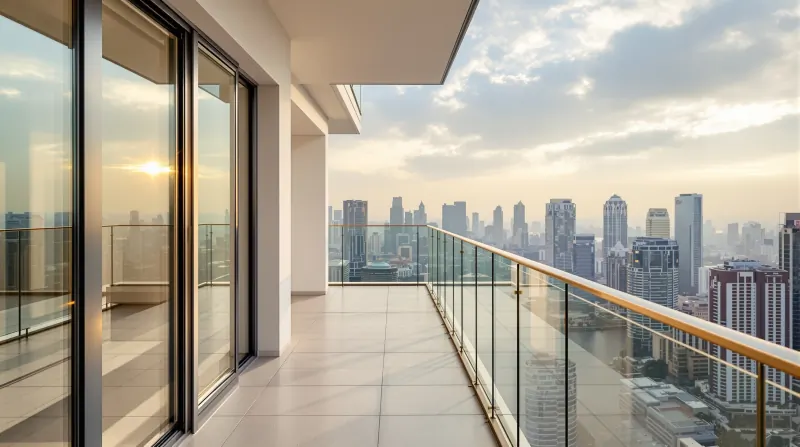
Toughened glass undergoes controlled thermal or chemical treatment to increase its strength compared with normal glass. The tempering process places the outer surfaces into compression and the interior into tension. When broken, it shatters into small, relatively harmless fragments rather than large sharp pieces. This makes it suitable for stair treads, balustrades, shower screens, and any glazing installed below 800mm from floor level where Singapore building codes require safety glass. Toughened glass is typically four to five times stronger than annealed glass of the same thickness. Contractors should note that toughened glass cannot be cut or drilled after tempering—all machining must occur before heat treatment.
Tinted Glass for Solar Control
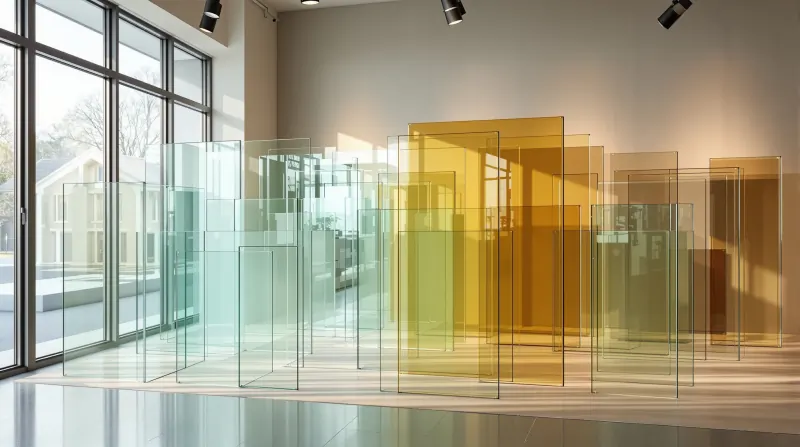
Tinted glass is treated with a film or coating that reduces its ability to transmit light. In Singapore's intense equatorial sun, tinted glass helps control glare, reduce solar heat gain, and lower air conditioning loads. It is commonly specified for office facades and west-facing residential windows. The color selection—bronze, grey, green, or blue—affects both the visual appearance and the solar performance. Contractors should verify the solar heat gain coefficient (SHGC) and visible light transmittance values against the project's energy simulation requirements. The Building and Construction Authority (BCA) Green Mark criteria often reference these performance metrics for building envelope compliance.
Laminated Glass: Safety and Acoustics
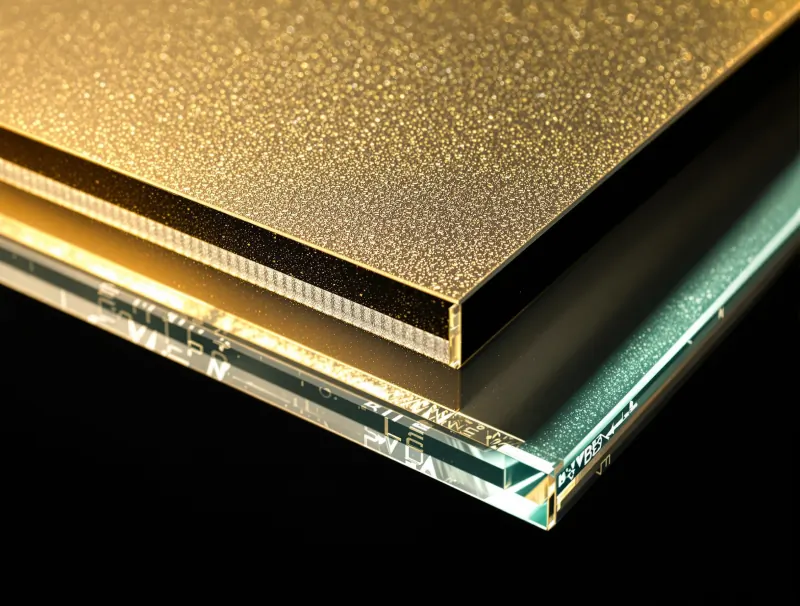
Laminated glass consists of two or more glass layers bonded with a polyvinyl butyral (PVB) or SentryGlas interlayer. When shattered, the fragments adhere to the interlayer, reducing the risk of injury from falling glass. This property makes laminated glass mandatory for overhead glazing, skylights, and glass canopies. The interlayer also provides acoustic dampening, which is valuable for projects near busy roads, MRT lines, or expressways. For a complete guide to specifying soundproof glass for Singapore properties — including STC ratings, double-glazed units, and frame sealing — see our Acoustic Glazing Singapore guide. For a detailed technical comparison of PVB versus SGP interlayers — including stiffness, post-breakage behaviour, moisture resistance, and when to specify each — see our guide to SGP vs PVB interlayer selection. Thicker interlayers improve both impact resistance and sound reduction. For high-risk applications such as atria and roof glazing, specify heat-strengthened laminated glass rather than annealed laminated glass to combine safety with reduced self-fracture risk.
Double Glazed Units for Thermal and Acoustic Performance
Double glazed units create a sealed air or gas gap between two glass panes, reducing heat transfer and external noise. For Singapore's high-rise residential towers facing expressways or flight paths, double glazing provides measurable acoustic and thermal improvement over single glazing. The air gap is typically 12-16mm, and the units are factory-sealed with desiccant to prevent condensation within the cavity. For a comparison of fabrication and installation approaches for facade glazing, see our guide to Curtain Wall Systems: Stick vs Unitized. While argon-filled units are common in temperate climates, standard air gaps perform adequately in tropical conditions. The framing system must accommodate the increased unit thickness and weight—an important coordination point between the glazing contractor and the aluminum system supplier. For detailed acoustic performance data on double-glazed and laminated configurations in Singapore, see our Acoustic Glazing Singapore guide.
Glass Blocks and Chromatic Glass
Glass blocks are manufactured as two separate halves pressed together while the glass is still molten. They provide both light transmission and privacy, making them suitable for bathrooms, stairwells, and feature walls. Glass block walls are self-supporting when properly laid with mortar and reinforcement, though they require careful joint detailing to prevent water ingress in external applications. Chromatic glass technologies—thermochromatic, photochromatic, and electrochromatic—allow dynamic control of transparency and solar gain. These systems are increasingly specified for high-end commercial projects and meeting rooms requiring privacy on demand. The control systems add complexity to the installation, requiring coordination with the electrical contractor and building management system integrator.
Selecting Glass for Singapore Projects
When selecting glass, contractors should verify that the specified product carries appropriate test reports for wind load, impact resistance, and thermal performance. For curtain wall projects, the glass selection must align with the facade engineer's structural calculations and the BCA-approved plans.
- Wind load resistance for high-rise applications—verify the glass thickness against the calculated wind pressure.
- Impact safety ratings for doors and full-height glazing—confirm the glass carries the required safety mark.
- Thermal performance (U-value and SHGC) for energy compliance under BCA Green Mark or similar.
- Acoustic requirements for units near noise sources—specify laminated or double-glazed units as needed.
- UV resistance to prevent fading of interior finishes—tinted or coated glass reduces UV transmission.
Understanding the properties and limitations of each glass type allows contractors to specify appropriate materials and avoid substitutions that compromise safety or performance. For project-specific guidance, consult the facade engineer's specifications and verify test reports against the intended application.
Need glass installation support?
Browse our glass installation services for doors, partitions, mirrors, railings and tempered-glass scopes in Singapore.
View glass installation services