SGP vs PVB: Choosing the Right Laminated Glass Interlayer
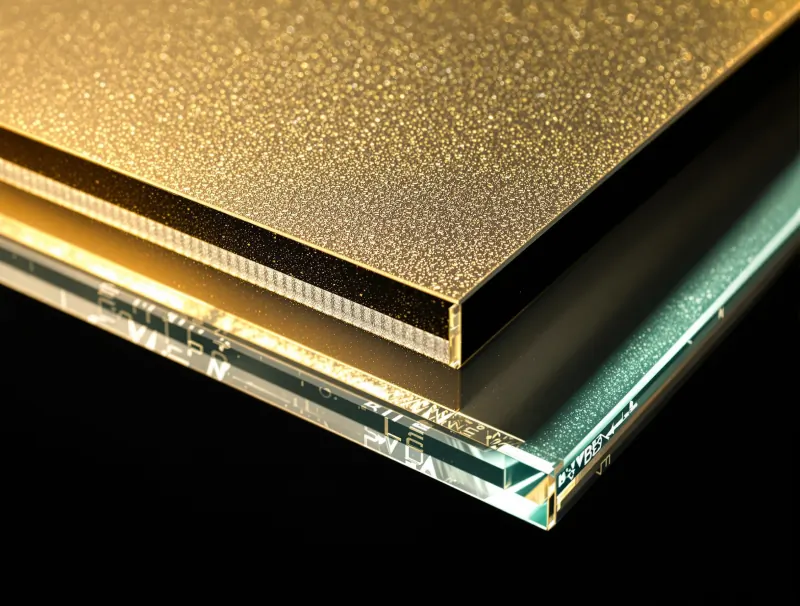
Laminated glass is created by bonding two or more glass layers with an interlayer that holds the glass together when shattered. The interlayer you choose fundamentally changes the glass's performance characteristics. For contractors and specifiers in Singapore, the two most common interlayers are Polyvinyl Butyral (PVB) and SentryGlas Plus (SGP). While both perform the core safety function of keeping broken glass in place, their mechanical properties differ dramatically—and the wrong choice can compromise a structural installation.
What Is PVB?
Polyvinyl Butyral (PVB) is the standard interlayer used in the majority of laminated safety glass worldwide. It is a thermoplastic resin that bonds glass layers together under heat and pressure. PVB is flexible, offers good optical clarity, and provides excellent sound insulation. It has been the industry standard for decades in automotive windshields, skylights, and general architectural safety glazing. PVB is the more economical choice and is widely available from most glass processors in Singapore.
What Is SGP?
SentryGlas Plus (SGP) is an ionoplast interlayer developed specifically for high-performance structural glazing applications. It is significantly stiffer and stronger than PVB, with tear strength roughly five times higher. This stiffness allows SGP-laminated glass to act more like a monolithic panel under load, reducing deflection and enabling thinner glass specifications for equivalent structural performance. SGP also maintains its properties better in humid and exposed conditions, making it the preferred choice for exterior structural applications in Singapore's tropical climate.
Key Differences
Strength and Load-Bearing Capacity
SGP has a much higher load-bearing capacity and tear strength than PVB. Under wind load or point load, SGP-laminated glass deflects less and can carry significantly more stress before failure. This makes SGP essential for applications where the glass itself provides structural support—such as glass fins, canopy panels, and frameless balustrades where the glass cantilevers without a handrail. PVB, being softer and more flexible, allows more glass deflection and relies more on the individual glass layers for load resistance.
Stiffness and Deflection
SGP is far more rigid, which means laminated panels using SGP deflect less under the same load. For long-span glass canopies or large curtain wall panels, this reduced deflection can be the difference between a successful installation and one that visibly sags or vibrates in wind. PVB-laminated panels exhibit more flexibility, which is acceptable for most standard glazing but problematic for structural or large-format applications where excessive movement can stress edge fixings or seals.
Post-Breakage Behavior
When laminated glass breaks, the interlayer is what prevents the shards from falling. SGP performs this function more effectively in structural applications because its higher stiffness keeps broken glass panels more rigid and in place. This is critical for overhead glazing, glass floors, and balustrades where falling glass creates a serious hazard. PVB is more flexible and can allow more movement of broken fragments, which is generally acceptable for vertical safety glazing but less desirable for overhead or structural applications.
Moisture and Weather Resistance
Singapore's tropical climate—high humidity, heavy rainfall, and intense UV exposure—places unique demands on glazing materials. SGP performs better in exposed and humid conditions, with superior resistance to edge delamination over time. PVB is more prone to moisture ingress at exposed edges, which can lead to clouding or delamination after years of exposure. For exterior structural glazing, curtain walls, and canopies in Singapore, SGP's durability advantage is significant.
Cost
PVB is the cheaper, standard choice for most laminated glass applications. SGP costs more due to its advanced material properties and more specialized manufacturing process. The price difference can be substantial, and for general safety glazing where structural performance is not the primary concern, PVB offers excellent value. The additional cost of SGP is justified only where its superior strength, stiffness, or weather resistance is required by the application.
When to Use PVB
PVB is the right choice for the majority of standard laminated glass installations. Specify PVB for general safety glazing, sound-insulating windows, skylights with proper framing, automotive glass, and most interior applications where the glass is supported on all edges by a frame. PVB's sound damping properties also make it the better choice for acoustic glazing near expressways, MRT lines, or flight paths. If the glass is not carrying significant structural load and is not exposed at the edges to long-term weathering, PVB delivers the required safety performance at the lowest cost.
When to Use SGP
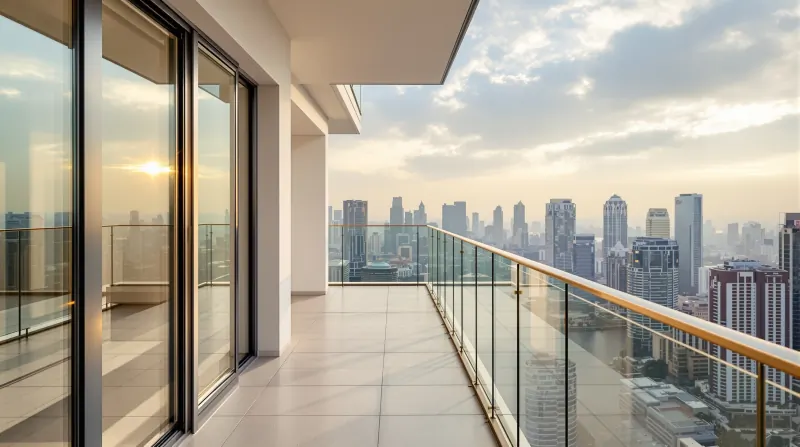
SGP should be specified for any application where the laminated glass acts as a structural element or is exposed to demanding environmental conditions. This includes glass balustrades and frameless railings, glass canopies and overhead glazing, glass fins and structural facades, curtain wall panels with point-fixings, and glass floors or stair treads. For the full BCA regulatory framework on glass railing barrier heights, gap limits, and compliance checklists in Singapore, see our Glass Railings Singapore compliance guide. In these applications, the higher stiffness of SGP allows engineers to design thinner, lighter glass panels that still meet load requirements—reducing weight, improving transparency, and simplifying support structures. SGP is also the safer choice for exterior applications in Singapore where long-term humidity exposure could degrade PVB edge bonds.
For construction work in Singapore, a simple rule of thumb is: PVB for standard safety and acoustic glazing, SGP for structural glazing, balustrades, canopies, and any high-performance application where the glass must resist significant load or exposure. Always confirm the interlayer specification with the structural engineer or facade consultant before ordering, as substituting one for the other can invalidate the structural design.
Verifying Your Specification
Both PVB and SGP laminated glass must be sourced from accredited glass processors who can provide test certificates and compliance documentation. In Singapore, the Building and Construction Authority (BCA) requires safety glass to carry the appropriate safety mark, and structural glazing submissions must include engineering calculations that reference the specific interlayer's mechanical properties.
- Confirm the interlayer type—PVB or SGP—is explicitly stated in the structural or facade engineer's specification.
- Request mill certificates from the glass processor confirming the interlayer brand and thickness.
- Verify that the glass processor is accredited to laminate with the specified interlayer—some processors stock only PVB.
- For SGP structural applications, ensure the glass carries the required safety mark and the processor provides structural test reports.
- Inspect edge seals and framing details to ensure exposed edges are protected, especially for PVB in exterior applications.
Understanding the difference between SGP and PVB is not just a materials detail—it directly affects the safety, durability, and structural performance of the installation. Contractors who know when to specify each interlayer can deliver glazing systems that perform reliably for decades in Singapore's demanding climate.
Comparing laminated-glass interlayers?
Use the PVB versus SGP calculator as an early comparison tool before the final project specification is confirmed.
Open the laminated-glass calculator